


Are you looking for honest S’moo Ovary Good reviews? This popular PCOS supplement seems to be all over the place.
As a registered dietitian, I get asked about supplements for PCOS all the time. In this blog post, I’m going to break down what’s in the S’moo Ovary Good supplement, what it may be able to do for you, and I’ll give you my honest and unbiased review of this supplement.
What Is S’moo Ovary Good Hormone Balance Powder?
Ovary Good Hormone Balance Powder is made by the company, S’moo. It’s a combination of different nutrients and is available in capsule or powder form.
If you’re taking the powder, you simply mix one scoop into a beverage, smoothie, or your favorite food each day. If you’re taking the capsules, you’ll take 5 capsules daily.
Health Claims of S’moo Ovary Good
The company claims that S’moo Ovary Good benefits may include:
- Hormone balance
- Improved energy and mood
- Weight management
- Skin and hair health
- Improved fertility
- Regulated menstrual cycles
- Reduced stress levels
- Better sleep
Ok, now let’s get down to what’s actually in this PCOS supplement.
S’moo Ovary Good Ingredients
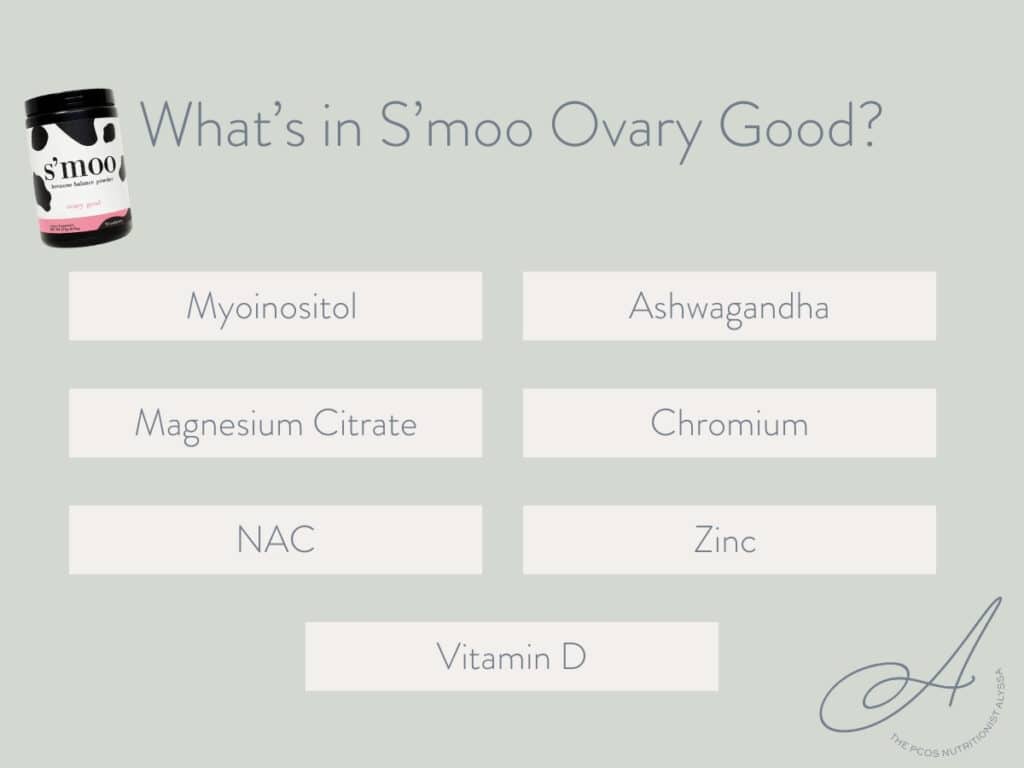
Here’s what’s inside the S’moo Ovary Good Hormone Balance Powder:
1. Myo-inositol 2,000 mg
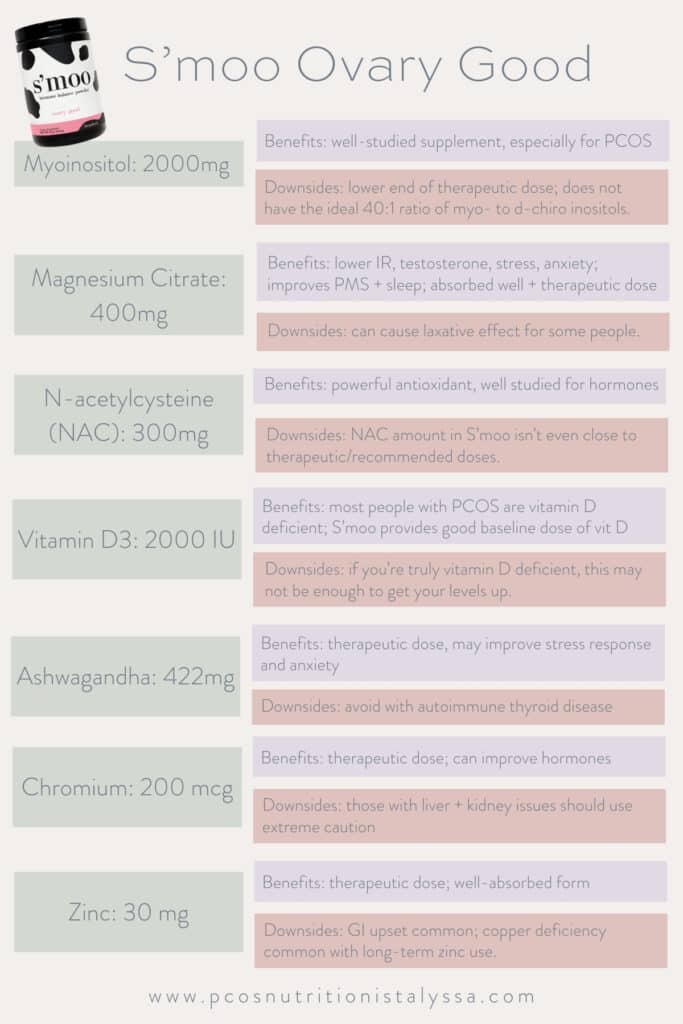
Inositol is the most well-studied supplement for PCOS. Myo-inositol is a type of inositol and has some really impressive research to back up its use.
Clinical studies continue to show that inositol performs just as well as Metformin, and sometimes better. A recent study even found that 2,000 mg of myo-inositol daily improved insulin sensitivity better than Metformin (1).
For PCOS, inositol can help to:
- Lower insulin resistance by reducing glucose levels (aka blood sugar levels) and insulin levels
- Lower body weight and BMI
- Reduce carbohydrate cravings
- Decrease cholesterol levels
- Lower testosterone levels
- Regulate menstrual cycles and ovulation
- Improve egg quality and IVF outcomes
- Decrease the risk of gestational diabetes
- Improve thyroid function
Pretty cool, right?
S’moo’s Ovary Good Hormone Balancing Powder contains 2,000 mg of myo-inositol, which does have some good research to support it. I generally recommend a combination of myo-inositol plus d-chiro inositol if you’re going to take an inositol supplement because research finds that this combination performs better than myo-inositol alone.
That doesn’t mean that myo-inositol alone doesn’t work though. It just may be something to keep in mind. That said, the recommended dosage for myo-inositol is 2,000 to 4,000 mg per day. The S’moo Ovary Good powder does fall within the lower end of this recommended range.
2. Magnesium Citrate 400 mg
Magnesium is an essential mineral that plays a huge role in our overall health. For some reason that isn’t well understood yet, women with PCOS tend to have lower levels of magnesium too.
In terms of magnesium’s benefits for those with PCOS, it can:
- Reduce insulin resistance
- Lower inflammation
- Decrease testosterone levels
- Lessen anxiety and stress levels
- Improve sleep quality
- Improve PMS symptoms
S’moo Ovary Good Powder contains 400 mg of magnesium citrate. This form of magnesium is absorbed well by the body and is considered a therapeutic dose.
For some people, magnesium citrate can cause bloating, abdominal discomfort, and diarrhea. If you struggle with constipation at baseline, this may be a good form of magnesium for you to take. But if you’re in the 20% of women with PCOS who also suffer from irritable bowel syndrome (IBS), you may want to consider a different form of magnesium, such as magnesium glycinate (2).
3. N-acetylcysteine 300 mg
N-acetylcysteine (NAC) is a powerful antioxidant and amino acid found in foods. High protein foods like poultry, beef, cheese, yogurt, and eggs tend to have the highest concentrations of NAC.
When it comes to PCOS symptoms, NAC can help:
- Reduce body weight and BMI
- Lower fasting glucose and insulin levels
- Decrease inflammation
- Reduce testosterone levels
- Lower cholesterol levels
- Increase pregnancy and ovulation rates
There have even been studies that compare NAC to Metformin in those with PCOS. In fact, in one study, NAC actually performed better than Metformin for lowering glucose, insulin, and cholesterol levels (3). It’s important to note though that this study used a dose of 1800 mg NAC daily, which is a much higher dose than what’s found in S’moo Ovary Good hormone balancing powder.
S’moo powder contains 300 mg of NAC. This isn’t even close to the recommended dosage of NAC which is 1,600 to 3,000 mg daily, so the S’moo dose may be ineffective.
4. Vitamin D3 2000 IU
Vitamin D is actually a hormone, and it plays an important role in many aspects of our overall health. Up to 85% of those with PCOS also have a vitamin D deficiency (4).
Research has shown that having adequate levels of vitamin D can:
- Promote regular menstrual cycles
- Increase ovulation rates and the amount of mature follicles (5)
- Lower AMH (Anti-Mullerian hormone) levels
- Decrease glucose and insulin levels
- Lower inflammation
- Decrease testosterone levels
S’moo Ovary Good contains 2,000 IU (international units) of vitamin D3, which is a well-absorbed form of vitamin D. This is a good baseline dose of vitamin D that many people with PCOS can benefit from, however, it may not be enough if you’re deficient. Your doctor can screen you for vitamin D deficiency using a simple blood test and can recommend an appropriate amount of vitamin D supplementation if you are deficient.
5. Ashwagandha 422 mg
Ashwagandha is an ancient herb and adaptogen that’s commonly known for its ability to enhance the body’s stress resilience and improve the immune system. To date, there haven’t been any peer-reviewed research studies done on ashwagandha and those with PCOS. There is research on ashwagandha and specific symptoms that are common in PCOS, which I’ll outline below.
Potential benefits of ashwagandha:
- Reduced stress and anxiety levels
- Lower cortisol levels
- Improved sleep quality
- Decreases glucose, hemoglobin A1c, and insulin levels (6)
- Lower cholesterol levels
- Lower inflammation
- Improved thyroid function in hypothyroidism (improved TSH, T3, and T4 levels) (7)
Most research has shown that doses of 250-600 mg daily are effective. S’moo provides 422 mg ashwagandha, which falls right in the middle of the recommended range.
One thing to note though is that people with autoimmune thyroid disease, which occurs at a higher rate in PCOS, should avoid ashwagandha.
6. Chromium Picolinate 200 mcg
Chromium is an essential trace mineral that’s naturally found in foods like ham, grape juice, and whole grains.
When it comes to PCOS, chromium may help to:
- Lower fasting glucose and insulin levels
- Reduce testosterone levels
- Decrease body weight and BMI
- Regulate menstrual cycles
- Improve ovulation and fertility rates
- Lower inflammatory markers
Most studies used a range of 200 to 1000 mcg of chromium to find positive benefits. Many studies did find benefits with the lower dose of 200 mcg of chromium, which is what S’moo provides.
7. Zinc Gluconate 30 mg
Zinc is another trace mineral that also functions as an antioxidant in our bodies. There has been some research to suggest that women with PCOS may be at a higher risk of also having a zinc deficiency, or may need higher amounts of zinc.
For PCOS symptoms, zinc may help:
- Lower insulin resistance
- Reduce inflammation and oxidative stress
- Decrease cholesterol levels
- Reduce symptoms of high androgen levels like hirsutism (aka excess facial hair or body hair), hair loss, and acne (8)
- Promote regular ovulation
- Improve fertility and egg quality
S’moo Ovary Good hormone balance powder contains 30 mg of zinc gluconate. This form of zinc is well absorbed by the body. It also falls within the lower end of the typical recommended dosage range for zinc of 30 to 60 mg per day.
The Recommended Dietary Allowance (RDA) for zinc is 8 mg for women. For pregnancy and breastfeeding, it increases to 11 to 12 mg of zinc per day. It’s pretty difficult to get too much zinc from food, however, it is very possible to get too much from supplements, especially when they’re taken long-term.
Taking high doses of zinc for a long period of time can cause a copper deficiency, weakened immune system, and digestive problems like nausea, vomiting, and diarrhea.
Since the S’moo Ovary Good hormone balance powder already contains a high dose of zinc, you may want to also look for zinc overlap in other supplements you may be taking, such as a multivitamin or prenatal vitamin.
8. Other Ingredients
Depending upon which flavor of the S’moo Ovary Good hormone balance powder you’re choosing, or whether you’re choosing the capsule form, the remaining ingredients vary. Additional ingredients may include coconut oil powder, MCT oil powder, brown rice protein, natural flavors, stevia, and/or xanthan gum.
Pros of S’moo Ovary Good
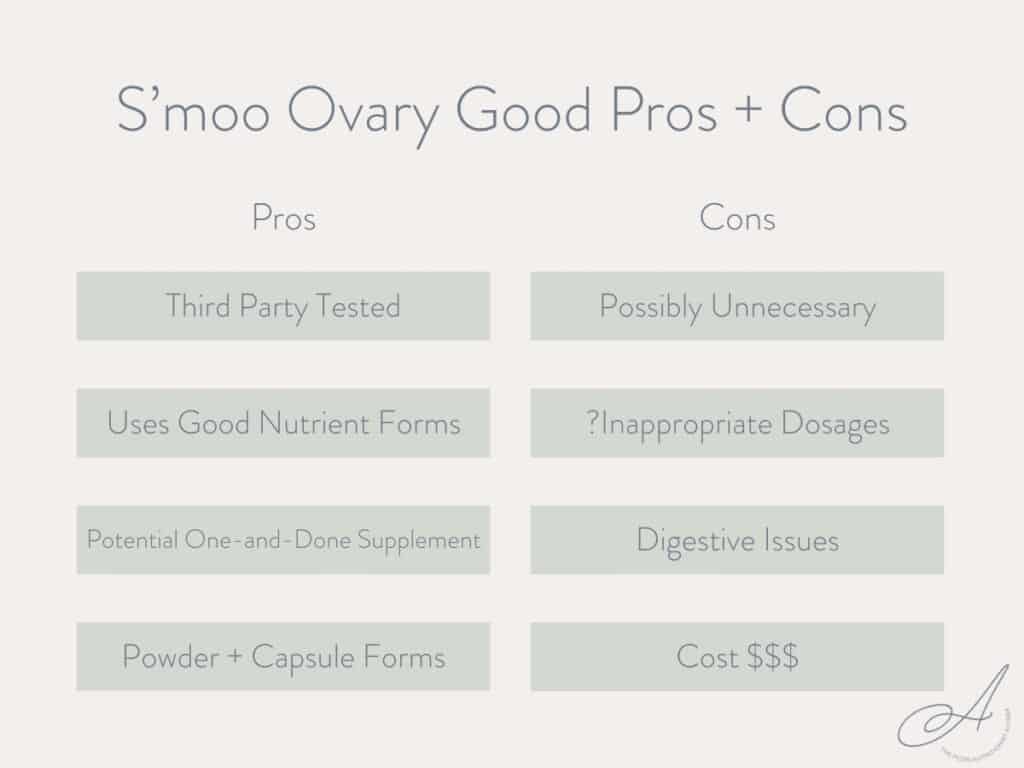
- Third Party Tested. The Food and Drug Administration (FDA) does not regulate or approve of any dietary supplements, their ingredients, labeling, or health claims. It’s not unheard of for a supplement company to not actually contain the ingredients that are listed on their label. For this reason, I always recommend looking for dietary supplements that undergo third party testing to ensure quality and purity. The good news here is that S’moo does undergo third party testing so you can rest assured that what’s listed on the label is what you’re actually getting.
- Uses Good Nutrient Forms. The S’moo Ovary Good hormone balance powder does contain forms of nutrients that are well absorbed by the body.
- Potential One-And-Done Purchase. If you need all of the nutrients that are in this supplement, it could be a cost-effective, one-and-done supplement purchase for you.
- Different Forms Available. S’moo Ovary Good comes in both a powder form or capsule form. If you opt for the powder form, you have your choice of an unflavored option or multiple different flavor options to choose from.
Cons of S’moo Ovary Good
- Possibly Unnecessary. While the marketing that S’moo uses seems to make this product appeal to everyone with PCOS, you may not need all of these nutrients in the doses that are being provided. Everyone’s unique needs are different and those with PCOS are not any different. There isn’t one standard supplement that everyone with PCOS should be taking or needs to take. A personalized approach is truly what’s necessary.
- Potentially Inappropriate Dosage. While the nutrients used in this supplement provide a nice safety blanket to “cover” many of your PCOS symptoms, the doses provided may not be ideal for you and your unique needs. For example, the myo-inositol dosage may only be half of what’s going to benefit you. Or, if you have a severe vitamin D deficiency, the 2000 IU of vitamin D3 likely isn’t adequate to get your vitamin D levels to a therapeutic level.
- May Cause Digestive Issues. While all of the forms of nutrients are well absorbed, some forms and doses may cause digestive issues. A common side effect of magnesium citrate is digestive upset and diarrhea. Additionally, high doses of zinc can often cause nausea.
- Clear Disclosure. It was really difficult to find information online about the actual dosages of each nutrient that are in S’moo. I finally found it on this webpage, however, I feel it should be clearly displayed on their website so people can understand what they’re buying.
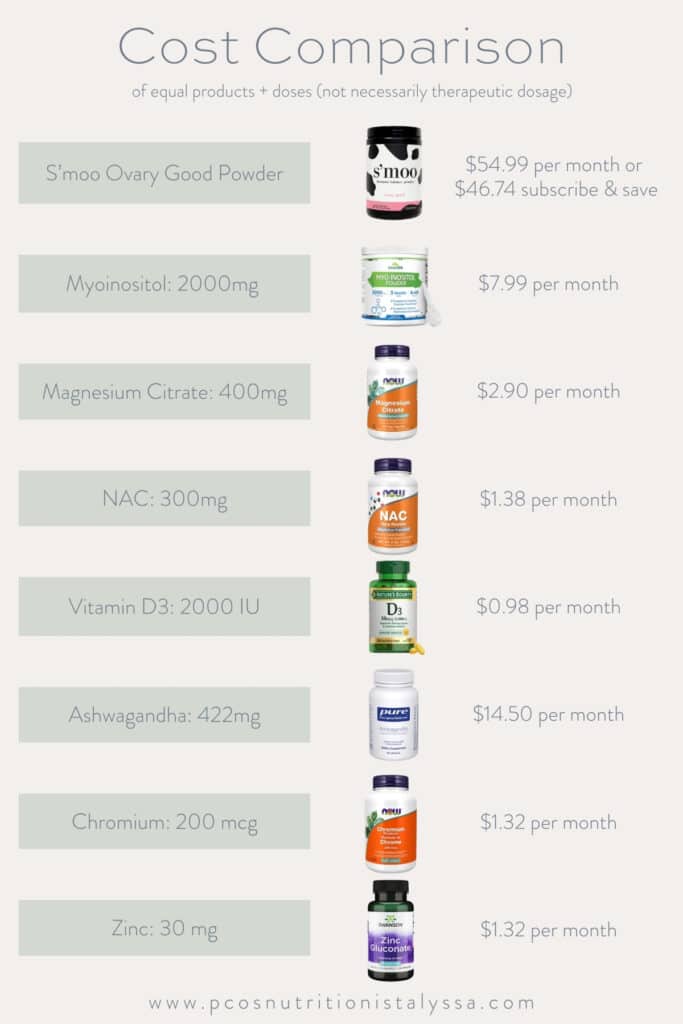
- Cost. A 30 day supply of this supplement will run you about $54.99. You can get a discounted rate of $46.74 for a 30 day supply if you subscribe for automatic delivery. If you do need all of the nutrients in this supplement, this may not actually be a con though, since it may be a more affordable option than purchasing all of them separately.
Should I Take S’moo Ovary Good?
I wish there were a clear cut answer here, but there isn’t. The best approach to managing your PCOS symptoms is to find what’s best for you. PCOS presents in different ways for different people. Trust me, I know that sounds so much easier said than done.
Whether or not this is the best supplement choice for you will depend on:
- Which symptoms you’re struggling with
- What your root cause is
- Your current diet (don’t forget to grab A Dietitian’s 7 Day PCOS Diet Plan PDF)
- What your labs are reflecting. For example, if your hair loss is being caused by an iron deficiency, this supplement likely won’t do much on that front.
If you’ve determined that the nutrients and doses in this supplement are right for you, then this may be a great option for you. It does appear to have high quality ingredients, multiple ways to take it, and third party testing as well.
That said, if you’re brand new to supplements for your PCOS symptoms, I’d usually recommend starting with one or two supplements that have a single ingredient. This way, if you see an improvement, you know what’s actually working for you. There are many more affordable options if you were to try just 1-2 supplements at a time.
As always, it’s important to consult with your healthcare provider before starting any dietary supplements to ensure they’re a right fit for you.
The Bottom Line
S’moo Ovary Good is a supplement marketed towards individuals with PCOS. It’s available in both a powder form and capsules. It contains a blend of myo-inositol, magnesium, NAC, vitamin D, ashwagandha, chromium, and zinc. These supplements undergo voluntary third party testing to ensure quality and purity.
The nutrients used in S’moo Ovary Good supplements are carefully chosen and are well absorbed by the body. Some nutrients may be provided in suboptimal amounts depending on your unique needs. Whether or not you need, or will benefit from, all of the nutrients in this supplement will vary by individual. There is not one particular supplement that everyone with PCOS should take or needs to take.
Supplements will never replace good dietary habits and lifestyle modifications for PCOS, but they can help your efforts. Always talk to your healthcare provider before starting any new dietary supplements to ensure it’s a good choice for you.
Other PCOS Posts & Reviews You’ll Love
Happy Hormones PCOS Multivitamin Review
Best Supplements for PCOS Weight Loss
Maca Root for PCOS: Worth The Hype?
Disclaimer: this is for informational purposes only. The purpose is not to substitute for or replace professional medical advice for polycystic ovary syndrome (PCOS) or any other medical condition. Always talk to your healthcare provider before making changes to medication or supplement regimen.
4 Responses
As a fellow dietitian who has seen this product time and time again this is a great resource for me! Thanks for sharing.
Thanks, Lauren! Navigating the endless supplements is a full-time job in itself!
Thank you!!! This was great information as I navigate this for my daughter.
I’m so glad it was helpful for you, Alicia!