Is ashwagandha good for PCOS? Ashwagandha has become incredibly popular in recent years…but is it actually a good idea if you have a hormone imbalance like PCOS?
As a registered dietitian, I get this question a lot. This blog will outline the potential benefits of ashwagandha for PCOS, what the research shows, how much you should take, and who should avoid ashwagandha. Let’s dive in!
This post contains affiliate links. This means that if you click on a link and make a purchase, I may receive a small commission at no additional cost to you.
Ashwagandha for PCOS
Polycystic ovarian syndrome (aka PCOS) is a common hormonal disorder that affects approximately 1 in 10 women of reproductive age in the United States.
This common hormone disorder can cause a range of symptoms depending on the unique individual. Some common PCOS symptoms include:
- Irregular periods
- Infertility
- Weight gain
- Carb cravings
- Hirsutism (unwanted hair growth)
- Hair loss
- Acne
- Fatigue
Despite the fact that PCOS is so common, there aren’t many treatment options available outside of a few prescription medications such as Metformin and birth control. This has caused many women to seek alternative treatment options such as supplements to manage their symptoms of PCOS.
Ashwagandha is one of the supplements that women with PCOS are curious about, and I can totally see why! Let’s dive into which symptoms of PCOS this supplement may help.
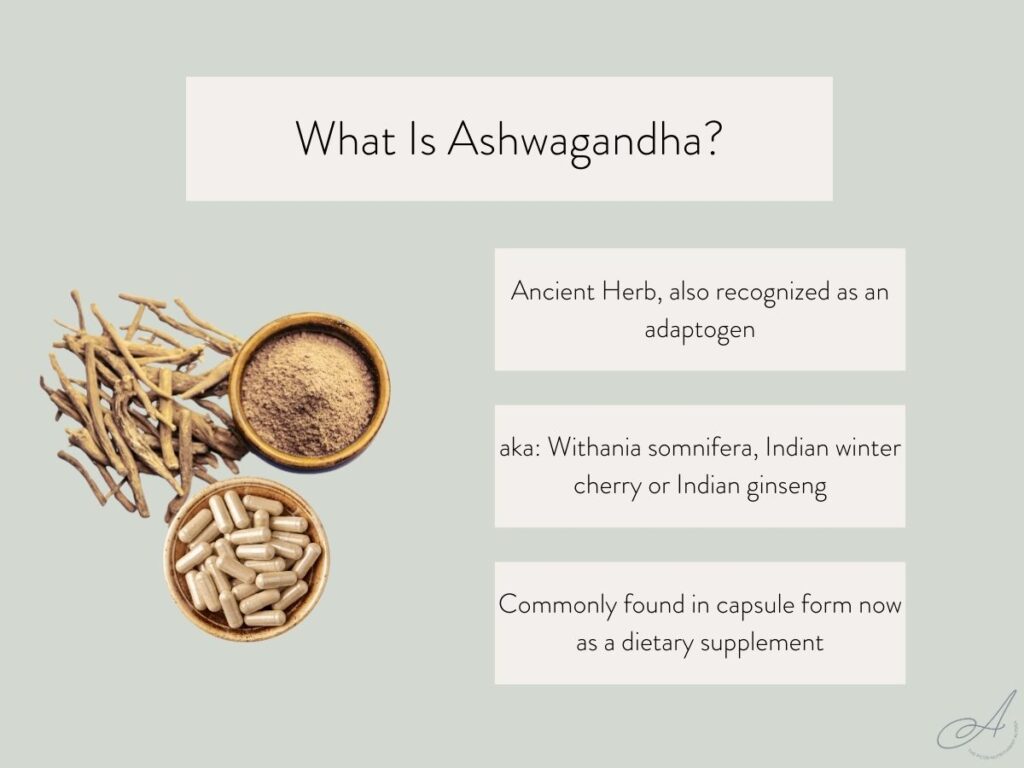
What Is Ashwagandha?
Ashwagandha is an ancient herb that has been used for centuries in the traditional ayurvedic treatment of different ailments. It is known by many names, including Withania somnifera, Indian winter cherry, and Indian ginseng.
Ashwagandha is recognized as an adaptogen because of its adaptogenic properties. This basically means that it enhances the body’s stress resilience and improves the immune system (1).
Ashwagandha Benefits For PCOS
Like many aspects of PCOS, research studies on the benefits or downsides of ashwagandha for PCOS are lacking. So we need to take what we do know about ashwagandha and try to apply it to specific symptoms of PCOS.
Remember that PCOS presents differently in different people. You’ll need to consider the individual symptoms you’re looking to improve to determine if it will be beneficial for you.
Stress and Anxiety
This is one of the most common reasons that women with PCOS want to consider ashwagandha. Individuals with PCOS commonly report experiencing anxiety and chronic stress.
Some people with PCOS also experience elevated cortisol levels, which is a hormone that the adrenal glands produce. Cortisol is commonly referred to as our stress hormone.
Elevated cortisol levels can increase insulin levels, which can lead to high androgens, weight gain, and struggling with weight loss.
Don’t miss these tips on getting started with stress-relieving meditation for PCOS.
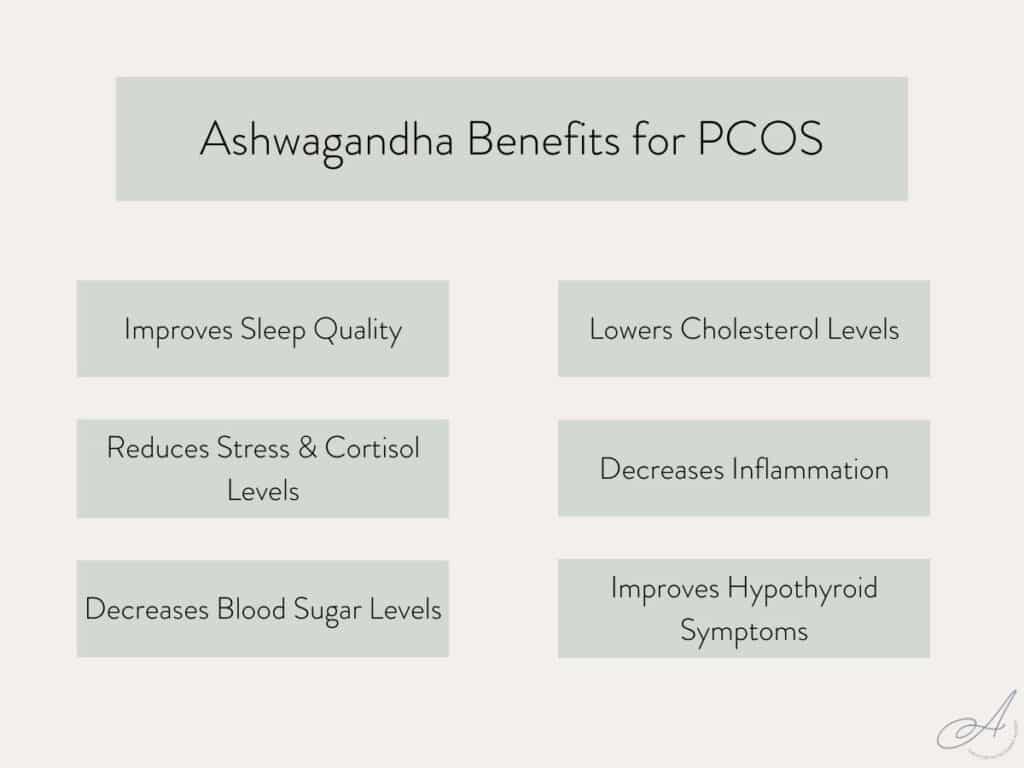
Studies have shown a positive effect and significant reduction in stress and anxiety levels in those who use ashwagandha supplements (2, 3). Studies also have also shown that ashwagandha may help decrease serum cortisol levels (4).
Most studies showing a decrease in cortisol and stress levels utilize a dosage of 250-300 mg ashwagandha per day.
Sleep
Many women with PCOS report poor sleep quality. Besides making you feel run down and fatigued, crappy sleep can further worsen the root causes of PCOS, such as insulin resistance and inflammation.
A recent meta-analysis found that ashwagandha supplementation improved sleep quality. Those who noticed the most prominent benefits were those who had been diagnosed with insomnia, took a dosage of 600 mg per day or more, and also supplemented with ashwagandha for over 8 weeks (5).
Blood Sugar Levels & Insulin Resistance
Insulin resistance is present in up to 80% of those with PCOS, and more than half of those with PCOS will develop type 2 diabetes before age 40.
Some research has shown that ashwagandha may significantly reduce blood sugar levels, hemoglobin A1c, and insulin levels (6).
Given the research results, ashwagandha may be a helpful tool for improving insulin sensitivity in those with PCOS.
Cholesterol Levels
High cholesterol levels are another common metabolic complication associated with PCOS. Many women experience elevated LDL (bad) cholesterol levels, low HDL (good) cholesterol levels, and elevated triglycerides.
Research has shown a significant decrease in total and LDL cholesterol levels with ashwagandha supplementation indicating that it may be a useful tool for lowering cholesterol levels (7).
Inflammation
Chronic low grade inflammation is at the core of many PCOS symptoms. C-reactive protein (CRP) blood levels are one metric that can indicate if inflammation is present.
Multiple studies have demonstrated that ashwagandha possesses the ability to decrease CRP levels and alleviate general inflammation. Ashwagandha has been widely recognized for its anti-inflammatory properties.
For a full list of anti-inflammatory foods, don’t miss this one: A Dietitian’s Anti-Inflammatory Foods List PDF.
Thyroid Function
Your thyroid is a gland that’s responsible for producing just the right amount of hormones for your body to function optimally. When your body produces too much thyroid hormones (hyperthyroidism) or too little thyroid hormones (hypothyroidism), it can cause many symptoms including weight changes, increased tiredness, and fatigue (8).
Hypothyroidism, particularly Hashitmoto’s thyroiditis (an autoimmune disease that can cause hypothyroidism), occurs at a 3x higher rate in those with PCOS (9). I’m one of those lucky ones that has both PCOS and Hashimoto’s.
One small randomized controlled trial showed that 600mg of ashwagandha helps improve TSH, T3, and T4 in those with subclinical hypothyroidism after an 8 week period (10).
Research on the supplementation of ashwagandha and hyperthyroidism is lacking. However, one could anticipate that ashwagandha might worsen hyperthyroidism symptoms due to its potential to raise T3 and T4 levels. This could potentially lead to a serious condition called thyrotoxicosis.
A recent case report details how a 73 year old woman was using ashwagandha root extract to self-treat hypothyroidism. After using ashwagandha for 2 years, she developed symptoms of hyperthyroidism and thyrotoxicosis. Ultimately, these symptoms were linked to the ashwagandha usage (11).
Confusing, right? Ultimately, ashwagandha may improve hypothyroidism. But if your hypothyroidism is caused by the autoimmune disease Hashimoto’s, ashwagandha may be contraindicated.
Testosterone Levels
Androgens, like testosterone, are often elevated in those with PCOS. High testosterone levels are usually to blame for many common PCOS symptoms such as unwanted hair growth, hair loss, acne, and irregular menstrual cycles.
Studies have shown ashwagandha can increase testosterone levels in men. It was previously theorized that it would also increase testosterone levels in women too.
While the effects of ashwagandha on female testosterone levels hasn’t been particularly well studied, it has been studied a bit in recent years. Most studies have found that while ashwagandha raises testosterone levels in men, it does not seem to impact testosterone levels in women (12, 13).
Recommended Dosage Of Ashwagandha
Most research has shown that doses of 250-600 mg daily are effective at improving various symptoms.
This is my favorite ashwagandha supplement.
One research study showed that doses up to 1250mg daily were safe and well tolerated (14).
Like other herbal supplements, there are potential side effects with the use of ashwagandha. The most commonly reported side effects are digestive upset, nausea, vomiting, and diarrhea. It may be better to take this supplement with food to mitigate the potential digestive side effects.
Most studies examining ashwagandha have been small, short-term studies. We still do not understand the potential long term effects.
Who Shouldn’t Take Ashwagandha?
While the majority of research does seem favorable for ashwagandha, there are some people who should not take it.
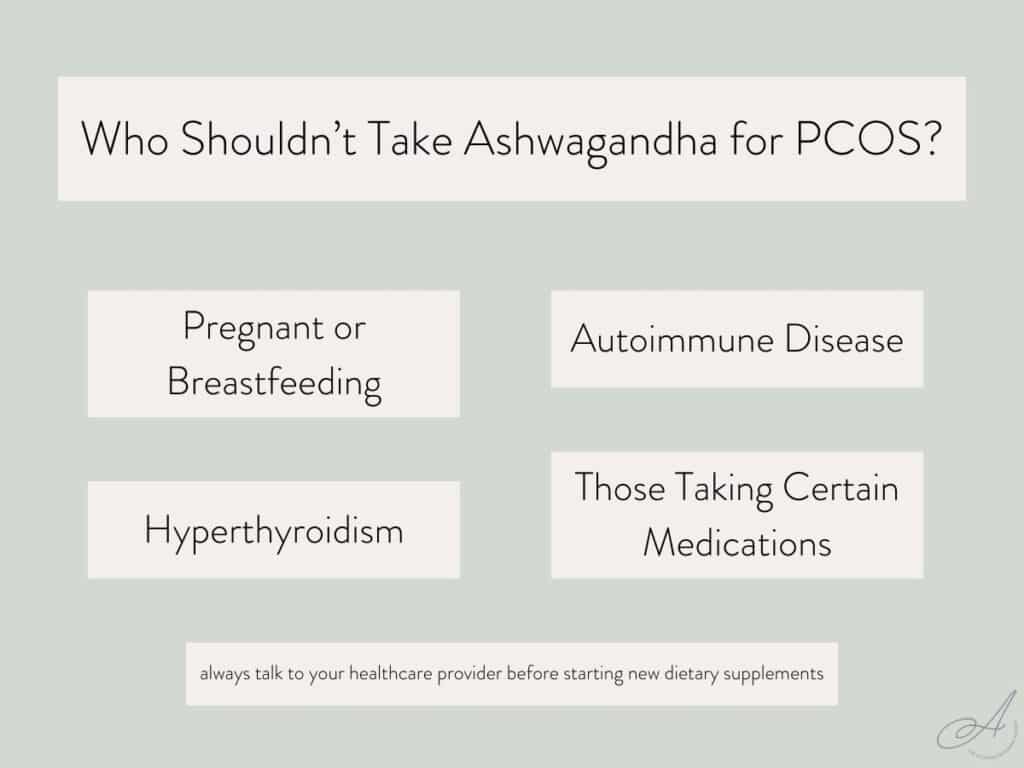
These people should not take ashwagandha:
- Pregnant or breastfeeding
- Hyperthyroidism
- Autoimmune disease
- Those taking medications for diabetes, high blood pressure, immunosuppressants, sedatives, anti-seizure medications, and thyroid replacement medications (15)
Always talk to your healthcare provider before starting any new supplements, including ashwagandha.
Bottom Line
Ashwagandha is an ancient herb that has been used for centuries in ayurvedic medicine to treat a variety of ailments.
Research shows that there are potential health benefits for those with PCOS, such as an improvement in sleep, stress, blood sugar levels, cholesterol levels, and inflammation. It may help improve thyroid levels in those with hypothyroidism.
Pregnant women, breastfeeding individuals, those with hyperthyroidism, autoimmune diseases, or those taking certain medications should not use it.
Most studies examining ashwagandha have been small, short-term studies. We need more research to understand the long-term effects of this adaptogen.
If you’re struggling to figure out which PCOS supplements are right for you, grab my PCOS Supplement Guide, which will guide you through the process!
Other PCOS Posts You’ll Love
Ovasitol for PCOS: Worth The Hype?
A Dietitian’s Review of Nello Super Calm Drink Mix
Best Multivitamin for PCOS: What To Look For & Top Brands
Maca Root For PCOS: Should You Try It?
Disclaimer: this is for informational purposes only. It does not substitute for or replace professional medical advice for polycystic ovary syndrome (PCOS) or any other medical condition. Always consult with your doctor for personalized recommendations prior to starting or stopping any medications or dietary supplements.