Smoothies for fertility can play a powerful role in nourishing your body with the key nutrients needed for hormonal balance and reproductive health. Whether you’re trying to conceive or just want to support your fertility health, a fertility-focused smoothie can make a meaningful difference.
As a registered dietitian that specializes in PCOS and hormone health, I’m going to make this really easy for you! This blog post will dive into what a fertility smoothie looks like and then I’ll give you 10 of my favorite fertility smoothie recipes.

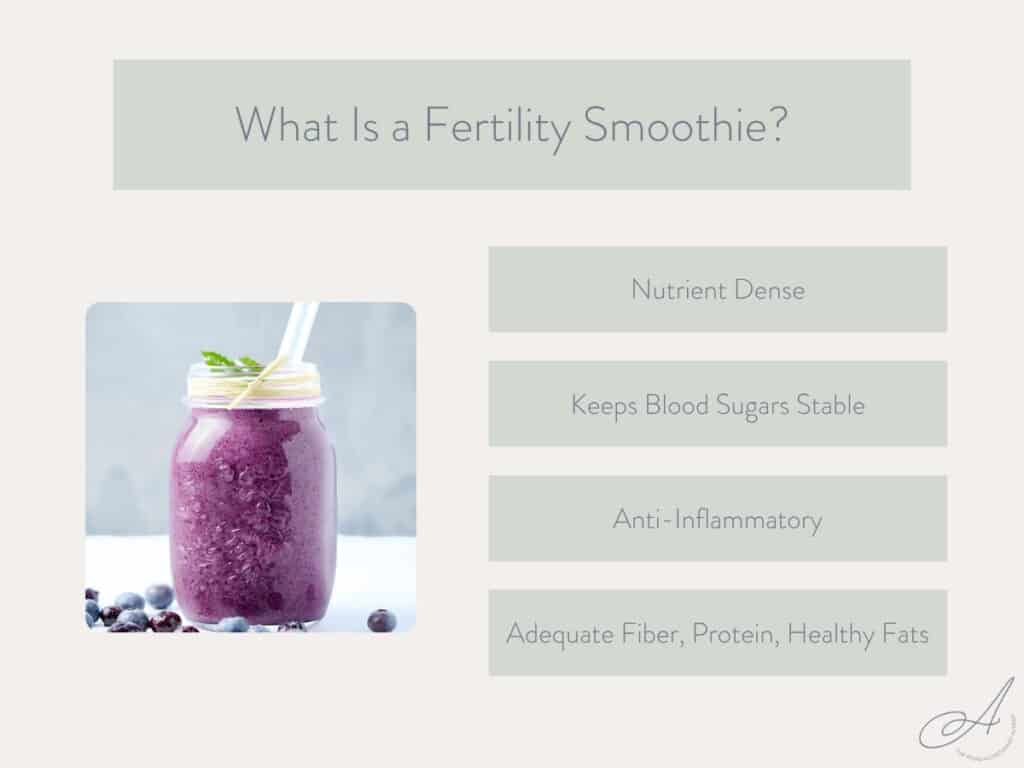
What is a Fertility Smoothie?
A fertility smoothie is basically a regular smoothie with a little extra intention behind it. It’s a great way to pack in fertility-boosting ingredients that naturally support hormone balance, healthy ovulation, egg health, and sperm quality.
The best part is that they’re delicious, easy to make, and beneficial for your overall health. These fertility-friendly smoothies can benefit both female and male fertility – so they’re ideal for both you and your partner!
How To Make a Fertility Smoothie
To make different smoothies for fertility, you’ll want to include whole foods from certain categories to make sure you’re hitting on all the right nutrients.
Here’s the formula to follow for the perfect fertility smoothie:
- Fruit: 1 cup
- Bananas, blackberries, blueberries, cherries, kiwi, mango, melon, peaches, pineapple, raspberries, strawberries, etc.
- Vegetables: ½ to 1 cup
- Beets, cucumber, cauliflower, carrots, pumpkin, raw leafy greens like spinach, kale or swiss chard, etc.
- Healthy Fats: 1 to 2 tbsp
- Avocado, chia seeds, hemp seeds, flaxseeds, pumpkin seeds, nut butters or seed butters like peanut butter, almond butter, or sunflower seed butter, etc.
- Protein: at least 20 grams of protein, which can be added directly to the smoothie or enjoyed on the side of your smoothie like these egg bites.
- Greek yogurt, kefir, cottage cheese, high protein milks such as soy milk, ultra filtered milk, or pea milk, protein powder, collagen peptides, etc.
- Liquid: about 1 to 2 cups
- Almond milk, coconut milk, coconut water, green tea, kefir, oat milk, cashew milk, pea milk, soy milk, water, whole milk, etc.
- Fertility Superfoods: incorporate if you have the opportunity to and enjoy the taste
- Dark leafy greens, wheatgrass, sweet potatoes, berries, citrus fruits, avocado, chia seeds, cacao, cinnamon, ginger, turmeric, etc.

Now, let’s jump into some of my favorite smoothies for fertility that you can recreate at home!
Berry Oat Smoothie
This smoothie is packed with vital nutrients that support hormone balance, egg and sperm health, and overall reproductive function.
It has a high fiber content with 15 grams of fiber, plus 37 grams of protein, which is optimal for stable blood sugar levels and hormone function. The frozen berries and oats provide fiber and antioxidants that protect eggs and sperm from free radicals and oxidative stress. Greek yogurt adds a boost of protein, calcium, and probiotics to support gut and reproductive health, and flaxseed delivers omega 3 essential fatty acids and plant compounds that naturally support estrogen levels.
This smoothie is a delicious way to boost fertility and enjoy as part of your daily routine.
Ingredients:
- 1 cup frozen berries
- 1 cup unsweetened almond milk
- ¼ cup rolled oats
- ¼ cup greek yogurt
- 2 scoops protein powder
- 2 tbsp flaxseed ground
- 1 tbsp monkfruit sweetener (optional)
- 1 tsp vanilla extract
Get the full recipe here.
Healthy Pumpkin Smoothie
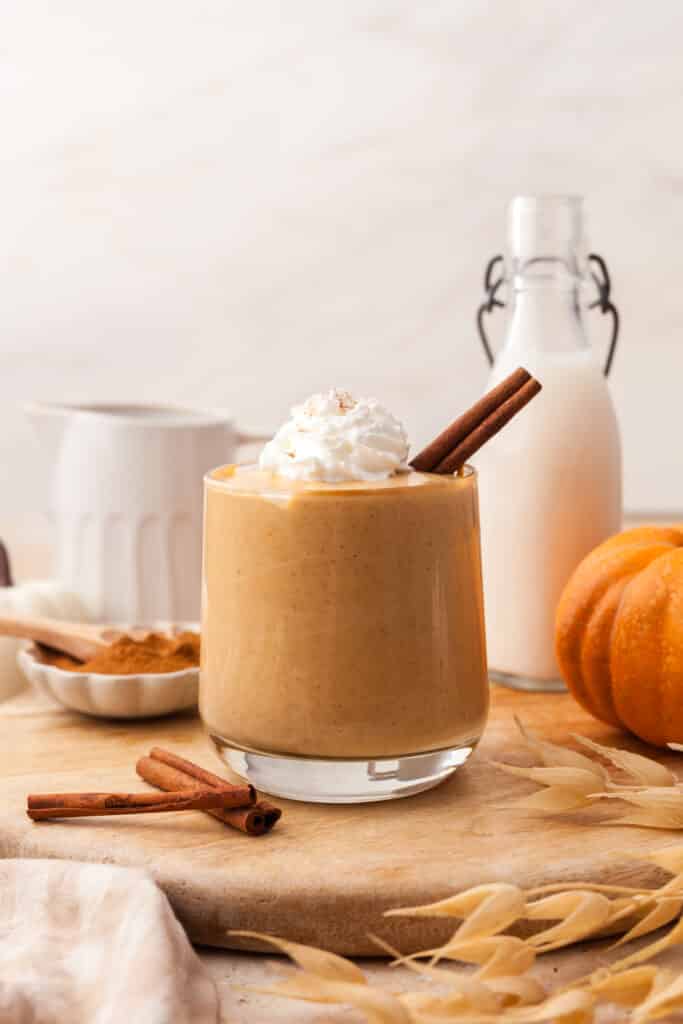
This pumpkin smoothie is a cozy, nutrient-packed option to support fertility and hormone health.
The pumpkin provides beta-carotene, which can be converted into vitamin A. Vitamin A is an antioxidant that supports egg quality and healthy ovulation. Banana adds vitamin B6, which is crucial for progesterone production and supporting implantation. Nut butter and almond milk contribute healthy fats and vitamin E for optimal hormone production and protect egg and sperm health. Plus, the warm spices like cinnamon, ginger, and nutmeg add rich flavor while also providing antioxidants and helping keep blood sugar stable.
Ingredients:
- ½ cup puree pumpkin
- 1 banana frozen
- ½ cup greek yogurt
- ½ cup almond milk unsweetened
- 2 tbsp protein powder or unflavored collagen peptides
- 1 tbsp cashew butter or other nut butter
- 1 tsp vanilla extract
- ½ tsp cinnamon
- ⅛ tsp nutmeg
- ⅛ tsp ginger
- ⅛ tsp allspice
Get the full recipe here.
Mango Kefir Smoothie
This tropical fertility-boosting smoothie combines probiotics, antioxidants, and anti-inflammatory nutrients in every sip.
Kefir provides gut healthy probiotics and protein, which help regulate hormones, while mango and pineapple deliver vitamin C, beta-carotene, and antioxidants to protect eggs and sperm from oxidative stress. Pineapple also contains an enzyme called bromelain that may support the uterine lining to encourage implantation.
Chia seeds add omega 3s and fiber for hormone balance and uterine health. Finally, ginger and turmeric bring anti-inflammatory compounds that support healthy blood flow and overall wellness. Together, these ingredients create a refreshing, nutrient-dense smoothie that’s both delicious and fertility-friendly.
Ingredients:
- 1 ¼ cup kefir plain
- ½ cup mango fresh or frozen
- ½ cup pineapple fresh or frozen
- 2 tbsp chia seeds
- 1 tsp honey
- ½ tsp ginger minced
- ½ tsp turmeric
Get the full recipe here.
Strawberry Cottage Cheese Smoothie
Don’t let the cottage cheese scare you because this smoothie tastes like strawberry cheesecake!
This smoothie is a creamy, fertility-friendly option packed with protein, antioxidants, and omega-3s. Almond milk and cottage cheese provide B vitamins, vitamin E, calcium and protein to support hormone balance and reproductive health, while strawberries deliver vitamin C, folate, and antioxidants to protect eggs and sperm from oxidative stress.
Chia seeds add omega-3 fatty acids and 5 grams of fiber to support hormone production and blood sugar balance, and a touch of monk fruit keeps it naturally sweet without spiking insulin levels.
Ingredients:
- 1 cup almond milk
- ¾ cup cottage cheese
- 1 ¼ cup strawberries frozen
- 1 tbsp monkfruit sweetener (optional)
- 1 tbsp chia seeds
- ¼ tsp vanilla extract
Get the full recipe here.
Detox Green Smoothie
If green smoothies freak you out, this nutrient-rich smoothie is the one to try! This smoothie is rich in folate, antioxidants, potassium, iron, vitamins A, B6 and C, and anti-inflammatory compounds that help protect eggs and sperm, and support hormone balance.
With hydrating coconut water and a blend of leafy greens and fresh fruits, it’s a refreshing and convenient way to nourish your body while supporting your fertility.
Just note that this smoothie doesn’t have a fat or protein source so you’ll want to add that in! I’d add some collagen peptides and chia seeds but there’s tons of great combos that will work.
Ingredients:
- 1 cup coconut water
- ½ cup spinach
- ½ cup kale
- ½ cup mango fresh or frozen
- ½ cup pineapple fresh or frozen
- ½ banana fresh or frozen
- 1 tsp ginger minced

Get the full recipe here.
Berry Avocado Fertility Smoothie
This smoothie combines antioxidants, folate, healthy fats, fiber, and protein to support reproductive health. It helps protect eggs and sperm from oxidative stress, regulate hormones, stabilize blood sugar levels, and support ovulation.
The avocado adds a creamy texture while also contributing folate, magnesium, potassium, and fiber to this smoothie. Cauliflower gives a small dose of cruciferous vegetables, which help to support your body’s natural detox pathways. It’s a delicious, fertility-boosting option for breakfast or a snack.
Ingredients:
- 1 cup almond milk unsweetened
- ¼ cup frozen cauliflower
- 1 cup frozen berries
- ½ banana
- ¼ avocado
- 1 tbsp chia seeds
- 1 tbsp monkfruit sweetener
- 1 oz collagen peptides
- 1 tsp vanilla extract
Grab the full recipe here.
Strawberry Kiwi Smoothie
With more vitamin C than an orange can give you, this smoothie helps protect eggs and sperm from oxidative stress. It’s also packed with antioxidants, fiber, protein, and omega 3s to support your reproductive system, regulate hormones, stabilize blood sugar, and promote ovulation.
With creamy Greek yogurt, nutrient-rich fruits, and a touch of chia seeds, this smoothie is a tasty option to enjoy as a meal or snack.
Ingredients:
- 2 kiwi peeled, sliced
- ½ cup strawberries frozen
- ¾ cup greek yogurt (full-fat)
- ¾ cup almond milk unsweetened
- 1 tbsp chia seeds
Get the full recipe here.
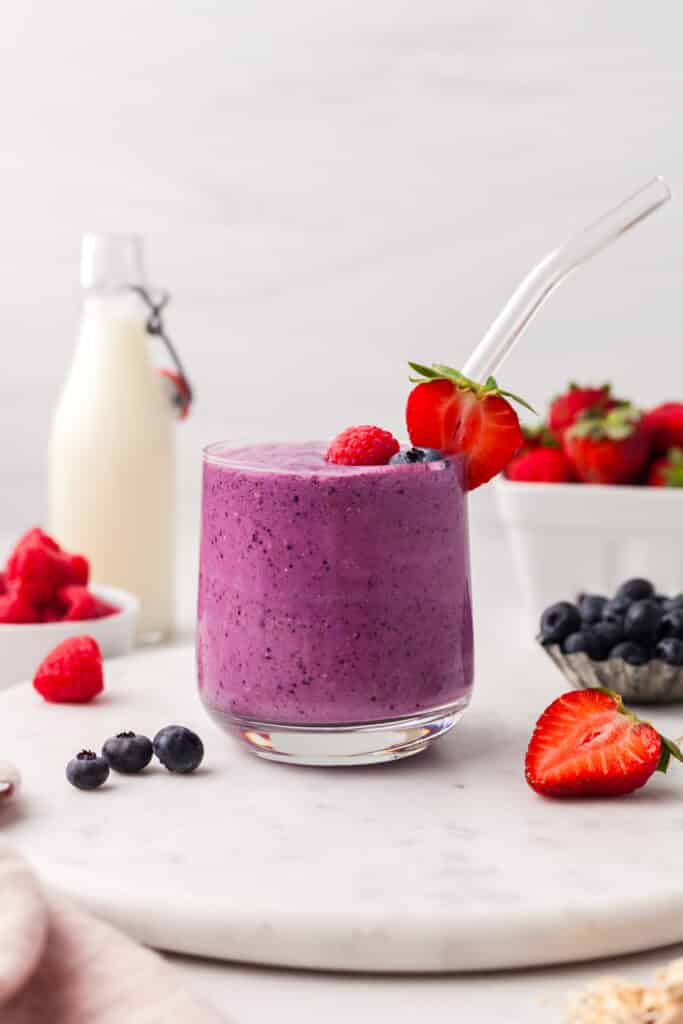
Blueberry Raspberry Flax Smoothie
Blueberries and raspberries are rich in vitamin C and polyphenols that play a crucial role in protecting eggs and sperm from free radicals while promoting healthy circulation to your reproductive organs. Ground flaxseed gives you omega 3 fatty acids and lignans, which help regulate estrogen levels and promote a healthy menstrual cycle.
Greek yogurt adds a dose of protein and calcium to support hormone balance, and collagen peptides provide additional amino acids for tissue repair and egg quality. If you primarily follow a plant-based diet, just swap the Greek yogurt for dairy free yogurt and the collagen peptides for a plant-based protein powder.
Ingredients:
- ¾ cup frozen blueberries
- ¾ cup frozen raspberries
- 1 cup almond milk unsweetened
- ½ cup Greek yogurt
- 1 scoop collagen peptides unflavored
- 2 tbsp ground flaxseed
- ½ tsp vanilla extract
Get the full recipe here.
Peanut Butter Avocado Smoothie
This creamy peanut butter avocado smoothie is an unlikely combination but a nourishing choice for fertility. It’s packed with healthy fats, protein, and other nutrients that support hormone health.
The avocado provides monounsaturated fats that promote hormone production, lower inflammation, and help stabilize blood sugar which is important for regular ovulation. Peanut butter adds even more healthy fats along with vitamin E, an antioxidant linked to improved egg and sperm quality. Banana contributes vitamin B6 to support progesterone balance, while cinnamon can help improve insulin sensitivity.
Ingredients:
- ½ avocado, frozen
- 2 tbsp peanut butter
- 1 banana, frozen
- 1 cup almond milk
- 1 tbsp protein powder
- 2 tsp monkfruit sweetener (optional)
- ½ tsp cinnamon
Get the full recipe here.
Carrot & Banana Smoothie
This smoothie is carrot cake inspired to give you a cozy, nutrient-rich blend that you’ll love any time of the year.
Carrots provide beta-carotene, a powerful antioxidant that’s important for healthy cervical mucus. Pineapple adds a natural sweetness along with bromelain, which may support implantation and reduce inflammation. Greek yogurt and collagen peptides offer high-quality protein to stabilize blood sugar levels, while almond butter gives you healthy fats and vitamin E to support egg quality. The cinnamon, nutmeg, and ginger not only enhance flavor but also add antioxidants and help improve insulin sensitivity, creating a deliciously balanced smoothie that nourishes your fertility from the inside out.
Ingredients:
- 1 banana frozen
- ½ cup shredded carrot
- ⅓ cup pineapple frozen
- ½ cup greek yogurt
- 1 cup almond milk
- 1 tbsp collagen peptides
- 1 tbsp almond butter
- ½ tsp cinnamon
- ½ tsp vanilla extract
- ⅛ tsp nutmeg
- ⅛ tsp ginger ground
Get the full recipe here.
The Bottom Line
Fertility smoothies are an easy way to boost both male and female fertility. They can provide key nutrients that improve male sperm quality, female egg quality and ovulation. These delicious smoothies can also support a healthy pregnancy too.
Aim to include adequate amounts of fiber, protein, and healthy fats in your smoothie. If you follow the fertility smoothie formula that’s outlined above, you’ll be set up for success!
If you’re struggling with PCOS, grab this PCOS Meal Plan. It’s a 3 week done-for-you meal plan that includes daily meals and snacks, recipes, and weekly grocery lists. Take the guesswork out of it and improve your fertility with PCOS!
Other Posts You’ll Love
Mira vs Inito: Which Fertility Monitor is Best? I’ve Tried Both
Inositol: The Missing Piece in Your Fertility Journey?
PCOS + Ovulation Tests: The Best Way to Use Them
10 Hormone Balancing Teas for Women
Disclaimer: this is for informational purposes only. It is not intended to substitute for or replace professional medical advice. Always consult with your registered dietitian or healthcare professional for personalized dietary advice.